Explore Online Property Listings
In-Depth Guide to Proven Property Listing Methods for Home Sellers and Real Estate Agents
In the competitive landscape of real estate, strategic property listing strategies are critical for home sellers and agents alike. Understanding target market demographics can greatly shape outcomes. In addition, writing compelling descriptions and utilizing high-quality imagery are vital components. However, the nuances of timing and pricing typically determine a sale. Examining these facets can reveal strategies that enhance listing success and attract qualified buyers in a dynamic market.
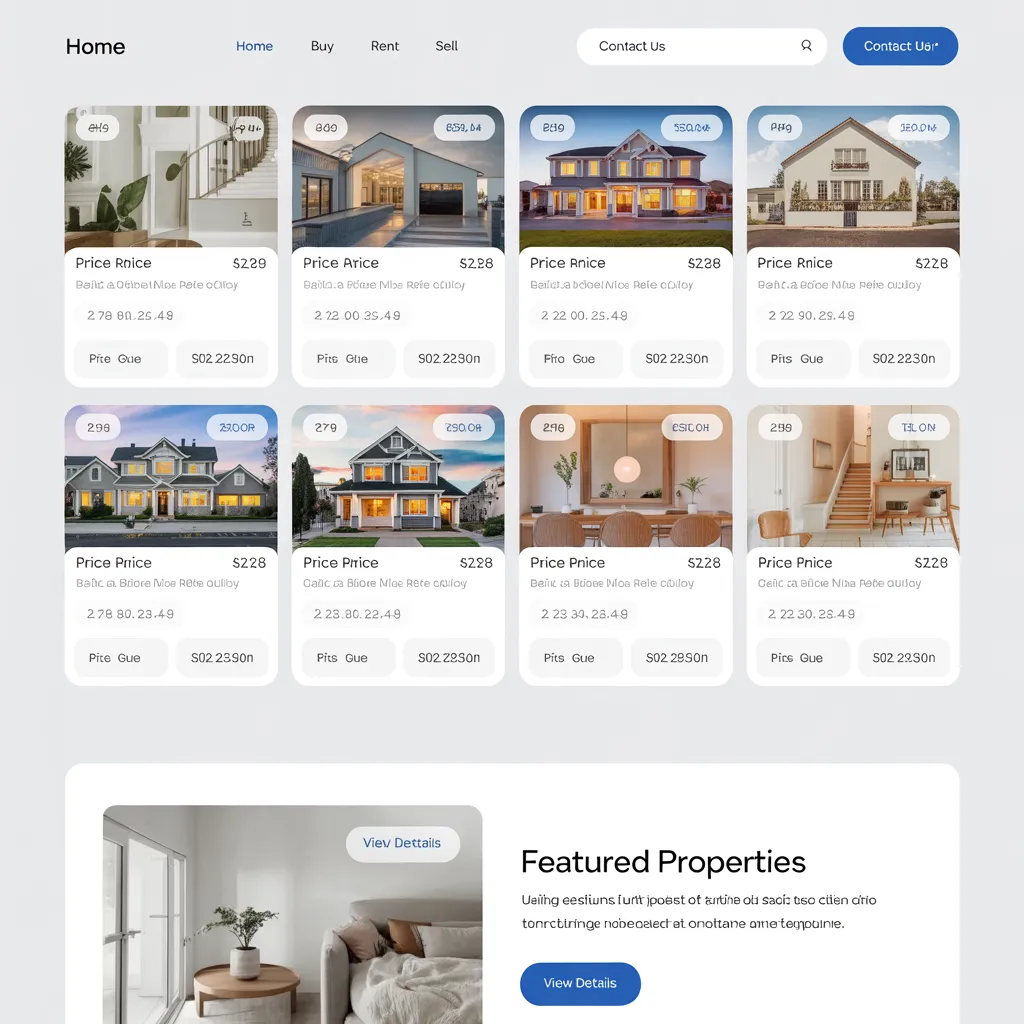
Grasping Your Intended Market
How might a property seller strategically adjust their approach to appeal to prospective buyers? Understanding the target market is essential for any property seller aiming for success. By pinpointing demographics, preferences, and behaviors of potential buyers, sellers can tailor their tactics correspondingly. For example, a young family may place emphasis on proximity to schools and parks, while retirees might seek serenity and accessibility features. Analyzing local market trends can provide insights into what attributes and amenities are sought after.
Moreover, sellers should evaluate the emotional triggers that resonate with their target demographic. Connecting with lifestyle aspirations can enhance a property's attractiveness. Connecting through local community events or social media groups can also expand knowledge about buyer preferences. Fundamentally, a well-rounded grasp of the target market empowers sellers to present their properties in a way that aligns with buyer expectations, ultimately boosting the likelihood of a successful sale.
Writing Captivating Property Descriptions
Writing compelling property descriptions requires a keen focus on unique features that set a property apart. Descriptive language plays a vital role in painting a vivid picture for potential buyers, while creating an emotional connection can boost their interest. By combining these elements skillfully, listings can resonate more powerfully with the target audience.
Feature Exceptional Features
To successfully capture the interest of potential buyers, real estate agents must highlight the unique features of a property in their descriptions. These distinctive attributes can make a listing apart from others, making it memorable and appealing. Features such as custom architecture, energy-efficient appliances, or a beautifully landscaped garden can draw attention and evoke emotional responses. Additionally, any recent renovations or historical significance should be showcased to demonstrate the property's value. Agents should also consider the target audience and tailor the highlighted features accordingly, whether appealing to families, young professionals, or retirees. By focusing on what makes a property special, agents enhance its marketability and boost the likelihood of attracting prospective buyers.
Utilize Descriptive Language
Descriptive language functions as an effective instrument in creating persuasive property descriptions that appeal to potential buyers. By incorporating vivid adjectives and accurate wording, sellers can illustrate an appealing vision of the property. Phrases that create sensory connections—such as "sun-drenched living spaces" or "lush, manicured gardens"—can attract potential purchasers, allowing them to envision their future life in the home. Additionally, showcasing architectural details, such as "sleek granite countertops" or "elegant decorative trim", adds an element of elegance and attraction. It is vital to sustain a truthful manner, ensuring that descriptions truthfully portray the property. Ultimately, well-chosen copyright not only advise potential buyers but also spark intrigue and engagement, making the property distinguish itself in a competitive market.
Foster Genuine Connection
A home description that connects with the emotions of possible buyers can substantially increase its appeal. Through crafting stories that inspire sensations of coziness, happiness, and connection, sellers can create a vivid picture that resonates with buyers. Portrayals should showcase special attributes—including a welcoming fireplace or bright outdoor space—while painting a scene of everyday life, welcoming buyers to visualize themselves in the residence. Utilizing sensory language can further heighten emotional connections; noting the fragrance of hot coffee preparing in the kitchen or the echo of merriment in the living area can render a property feel welcoming. Ultimately, creating a captivating tale changes a basic description into an offer, inspiring prospects to imagine their tomorrow in the residence.
The Value of Premium Photography
Though multiple factors affect the effective marketing of a property, high-quality photography stands out as a critical element that can significantly impact potential buyers. Quality photographs convey the spirit of a property, showcasing its finest attributes and building a captivating visual presentation. When executed properly, high-quality photography can evoke emotions, making it less challenging for prospective purchasers to visualize themselves in the residence.
Along with capturing attention online, exceptional photographs enhance trustworthiness and professionalism in property listings. Buyers are prone to engage with listings that display a polished and inviting aesthetic. Proper lighting, proper staging, and attention to detail in composition can significantly enhance the overall impression of a property. Ultimately, investing in high-quality photography not only raises the chances of a quick sale but can also lead to higher offers, making it an essential strategy for property sellers and real estate agents alike.
Utilizing Virtual Tours and Video Marketing
Virtual tours combined with video marketing have turned into essential tools in effectively presenting properties. Their ability to provide an immersive experience allows potential buyers to explore listings from the comfort of their residences. Captivating video content further improves this approach, attracting attention and presenting the unique features of each property.
Advantages of Virtual Tours
A lot of real estate professionals are identifying the remarkable benefits of including virtual tours into their marketing campaigns. These compelling experiences permit potential buyers to explore properties from the ease of their residences, greatly elevating engagement. Virtual tours can showcase a property's features in a dynamic way, providing a panoramic perspective that traditional photos simply cannot achieve. This not only cuts down on time for both sellers and buyers but also draws a wider audience, including distant buyers who may be unable to visit in person. In addition, virtual tours can boost listing visibility on platforms, as properties featuring such content often receive more views. By leveraging this technology, real estate agents can simplify the buying process and elevate the overall marketing effectiveness of their listings.
Captivating Video Content Tactics
In what ways can real estate experts leverage compelling video content to enhance their marketing efforts? By implementing virtual tours and targeted video marketing, agents can create captivating experiences that draw in potential buyers. Virtual tours enable viewers to explore properties at their own pace, highlighting unique features and layouts efficiently. This interactive format not only boosts engagement but also helps buyers envision themselves in the space, increasing emotional connection.
Furthermore, short promotional videos featuring key property elements or neighborhood amenities can enhance visibility on social media platforms. Real estate professionals should concentrate on high-quality visuals, concise messaging, and a strong call to action to maximize impact. By implementing these video content strategies, agents can substantially improve their marketing efforts and drive sales.
Leveraging Social Networks and Online Platforms
As property professionals understand the importance of reaching a more extensive audience, leveraging online platforms and social media has become critical for effective property listings. Social media platforms such as Facebook, Instagram, and Twitter provide distinctive opportunities to showcase properties through visually appealing content. Real estate agents can create interesting posts, utilize stories, and host live virtual tours to appeal to potential buyers.
In addition, targeted advertising on these platforms facilitates accurate audience segmentation, guaranteeing that listings reach individuals actively looking for properties. Digital platforms, including platforms like Zillow and Realtor.com, function as vital resources for posting properties, providing extensive visibility to a global-scale audience.
Incorporating user-generated content, such as reviews and testimonials, can further enhance credibility. By embracing a strategic approach to social media engagement and employing relevant online platforms, real estate professionals can efficiently boost their property listings, ultimately increasing interest and potential sales.
Timing and Pricing Strategies for Maximum Results
Successful property listings depend not only on strong online presence but also on strategic timing and pricing. Sellers need to analyze market trends to identify ideal listing periods, often aiming for spring or early summer when buyer activity peaks. Understanding local market dynamics, including inventory levels and economic conditions, is critical in determining the right moment to list.
Additionally, pricing approach significantly affects a property's appeal. Setting a competitive price requires thorough research of similar property sales and current listings. Overpricing may lead to prolonged market exposure, while underpricing may result in losses. A carefully determined price can draw multiple offers, inciting bidding wars.
Real estate professionals serve a vital function in guiding sellers through this process, utilizing their expertise to suggest adjustments based on real-time feedback. By synchronizing timing and pricing with market conditions, sellers can enhance their prospects of a successful sale and achieve ideal returns on their investments.
Questions Asked Frequently
What Are the Optimal Days to List a Property for Sale?
Studies show that Thursdays and Sundays are typically regarded as the most effective days to advertise a property for sale. Such days capture potential buyers' attention, maximizing visibility during high-traffic online browsing hours across multiple platforms.
What Should I Do About Lowball Offers From Buyers?
To deal with lowball offers, you should remain calm, assess the offer objectively, and respond in a professional manner. Offering a reasonable counteroffer or highlighting property value can encourage further negotiation and potentially achieve a satisfactory agreement.
Should I Consider Staging My Home Before Putting It on the Market?
Setting up a house before putting it on the market can boost its visual appeal, making it more desirable to interested buyers. It often leads to higher offers and quicker sales, as it helps buyers envision themselves living get started in the space.
How Do I Boost My Property's Curb Appeal?
To boost a property's curb appeal, homeowners should maintain the lawn, add eye-catching flowers, update the front door, address any visible damage, and verify that outdoor lighting is inviting, producing an attractive first impression for potential buyers.
What Legal Details Must I Share with Buyers?
Property sellers must reveal material defects, lead paint in properties constructed prior to 1978, community nuisances, and any legal concerns related to the property. Openness builds trust and protects sellers from future liability regarding undisclosed problems.